I’ve watched businesses rack up thousands of followers while their actual sales stayed flat, and I’ve watched businesses with a modest 2,000 followers generate consistent revenue every month. The difference almost always comes down to having an intentional social media marketing strategy instead of just posting randomly and hoping something sticks.
Let’s build a social media marketing strategy that actually connects to business results, not just vanity metrics that look nice but don’t pay the bills.
Why Most Social Media Efforts Fail to Drive Real Growth
Quick answer: Most businesses fail at social media marketing because they post inconsistently, focus on follower count over engagement and conversion, and don’t have a clear strategy connecting content to actual business goals like leads or sales.
Related node: Content Marketing Strategy for Small Businesses in 2026 · SEO for Beginners: Complete Guide to Rank on Google in 2026 · Making Online Bookings Easier: What a Great Appointment Website Should Get Right
Posting without a strategy is essentially throwing content at a wall and hoping something sticks — occasionally it works, but it’s not repeatable or scalable.
Choose the Right Platforms, Not All of Them
Trying to maintain a strong presence across Instagram, Facebook, LinkedIn, YouTube, and X simultaneously with limited resources usually spreads effort too thin. Pick based on where your specific audience genuinely spends time and what content format suits your business:
- Visual products (fashion, food, decor) — Instagram and Pinterest tend to perform strongest
- B2B services — LinkedIn typically drives higher-quality leads
- Younger consumer audiences — short-form video on Instagram Reels and YouTube Shorts
Define Clear Goals Before Creating Content
- Brand awareness — reaching new potential customers who don’t know you yet
- Engagement and community — building genuine relationships and trust with existing followers
- Lead generation — driving people toward an actual conversion action (signup, inquiry)
- Direct sales — particularly relevant for e-commerce businesses selling directly through social platforms
Your content style and calls-to-action should shift based on which goal you’re actually prioritizing in each piece of content.
Related node: Best Freelancing Websites to Find Clients in 2026 · Sales Funnel Explained: What Is a Sales Funnel and How It Works
Content Types That Genuinely Perform Well in 2026
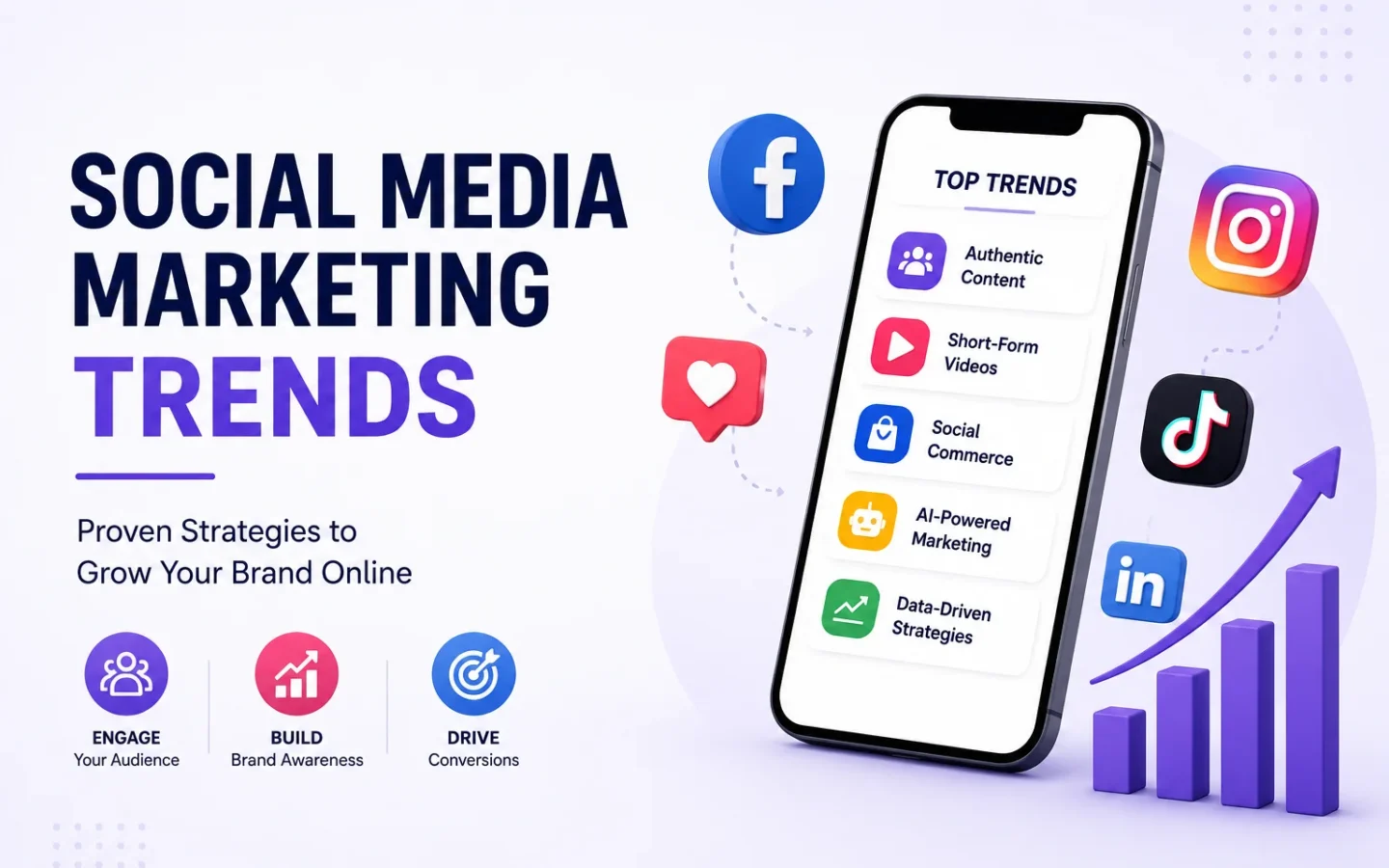
- Short-form video — continues to dominate reach and engagement across nearly every platform
- Behind-the-scenes content — genuinely humanizes your brand and builds trust
- User-generated content — customer testimonials and real usage, which tend to convert better than polished brand content
- Educational content — answering genuine customer questions builds authority over time [link to related guide about content marketing strategy here]
Picture a small skincare brand sharing a genuine, slightly imperfect video of the founder explaining an ingredient choice — that kind of authentic content routinely outperforms polished, ad-like posts in both engagement and trust-building.
Building a Consistent Posting Rhythm
Consistency beats sporadic bursts of high-frequency posting followed by silence. A realistic, sustainable schedule — even 3-4 posts weekly done consistently — outperforms an unsustainable daily posting attempt that fizzles out after two weeks.
Engagement Matters More Than Follower Count
I’ve noticed businesses obsessing over follower numbers while ignoring genuine engagement — comments, shares, saves, direct messages. A smaller, genuinely engaged audience converts far better than a large, passive one. Respond to comments and messages promptly; this single habit builds trust that pure content quality alone can’t achieve.
Using Paid Social Ads Strategically
Organic reach has declined significantly across most platforms, making some paid promotion increasingly necessary for meaningful reach. Start small, test different audiences and creative approaches, and scale spend only on what’s genuinely proven to convert rather than boosting posts randomly based on gut feeling.
Tracking What Actually Matters
- Engagement rate relative to follower count, not just raw numbers
- Click-through rate to your website or landing page
- Actual conversions attributable to social media traffic
- Follower growth quality — are new followers actually your target audience?
Repurposing Content Across Platforms
Don’t recreate content from scratch for every platform. A single well-produced video can become a YouTube Short, Instagram Reel, and LinkedIn post with minor adjustments, saving significant time while maintaining consistent messaging across channels. [link to related guide about sales funnel here]
FAQ
Which social media platform is best for small business marketing? Depends entirely on your audience and product type — Instagram for visual products, LinkedIn for B2B, and short-form video platforms for younger consumer audiences generally.
How often should a business post on social media? Consistency matters more than frequency — 3-5 quality posts weekly, done reliably, typically outperforms daily posting that isn’t sustainable long-term.
Do I need to pay for ads to grow on social media in 2026? Not strictly required, but organic reach has declined enough that some paid promotion often accelerates growth meaningfully alongside strong organic content.
How do I measure ROI from social media marketing? Track conversions, leads, or sales directly attributable to social media traffic, alongside engagement metrics, rather than relying on follower count alone.
What’s the biggest mistake businesses make with social media marketing? Posting inconsistently without a clear strategy connecting content to actual business goals, focusing purely on vanity metrics instead.
Should I use the same content across all social media platforms? Repurpose core content but adjust format and tone slightly per platform, since audience expectations and content styles differ meaningfully across platforms.
Conclusion
A genuine social media marketing strategy connects your content directly to real business goals — not just follower growth for its own sake. Pick one or two platforms where your actual audience spends time, commit to a consistent, sustainable posting rhythm, and track engagement and conversions over vanity metrics from here on.