I’ve lost count of how many business owners use “marketing” and “advertising” interchangeably, then wonder why their “marketing” isn’t working when really they’ve only ever done paid ads. Understanding the marketing vs advertising difference genuinely changes how you allocate budget and effort — it’s not just semantic nitpicking.
Let’s clear this up properly, because getting this distinction right shapes your entire business growth strategy.
The Core Difference in Simple Terms
Quick answer: Marketing is the broad, ongoing strategy of understanding your customers and building your brand’s presence and value across every touchpoint, while advertising is one specific, paid tactic within that broader marketing strategy — buying visibility through ads.
Related node: Content Marketing Strategy for Small Businesses in 2026 · SEO for Beginners: Complete Guide to Rank on Google in 2026 · Small Business Marketing Ideas on a Tight Budget
Think of marketing as the umbrella, and advertising as one tool inside it, alongside content, PR, branding, and customer experience.
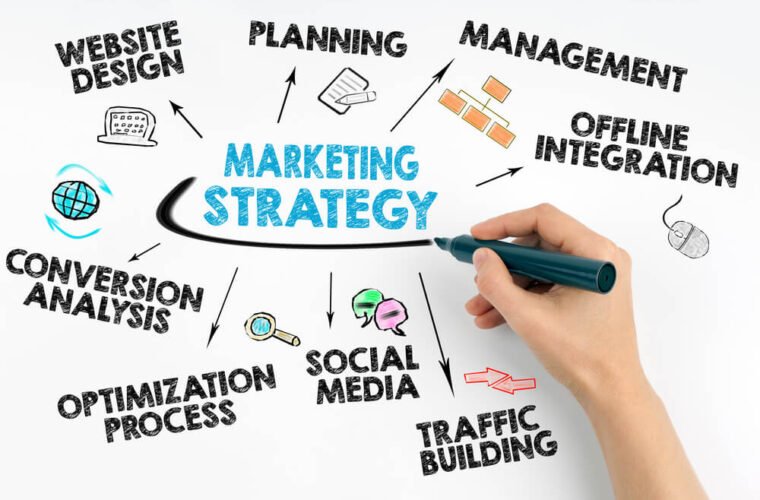
What Marketing Actually Encompasses
- Market research — understanding who your customers are and what they actually need
- Branding — your visual identity, tone, values, and how customers perceive you
- Content marketing — blog posts, videos, social content that builds trust over time [link to related guide about content marketing strategy here]
- Public relations — earned media coverage and reputation management
- Customer experience — how customers feel interacting with your business at every stage
- Advertising — the paid promotion piece specifically
Marketing is genuinely everything that shapes how customers perceive and interact with your business, not just the promotional pieces.
What Advertising Specifically Covers
Advertising is narrower — it’s the paid placement of promotional messages to reach an audience. Google Ads, Instagram ads, billboards, TV commercials, sponsored posts — all fall under advertising specifically, as a subset of the broader marketing effort.
Related node: Best E-Commerce Platforms Compared: Which One to Choose · Social Media Marketing Strategy to Grow Your Brand in 2026
Picture a business running Instagram ads (advertising) while also maintaining a blog, responding thoughtfully to customer reviews, and refining their brand messaging (marketing). The ads alone, disconnected from the broader marketing strategy, tend to underperform.
Why This Distinction Matters for Small Businesses
I’ve noticed small business owners often jump straight to advertising because it feels like the fastest path to visible results — and it can drive quick traffic. But without the broader marketing foundation (clear brand positioning, genuine understanding of customer needs, trust-building content), advertising spend often produces weak, unsustainable results.
- Advertising without marketing strategy — traffic without genuine trust or conversion
- Marketing without any advertising — slower growth, but often more sustainable and cost-efficient long-term
- Both combined properly — advertising accelerates visibility while marketing ensures that visibility actually converts and retains
Cost Differences Between Marketing and Advertising
Advertising has direct, measurable costs — you pay per click, per impression, per placement. Marketing costs are often less direct — time invested in content, branding work, customer relationship building — but the compounding value tends to be significantly higher over a longer time horizon, even though it’s less immediately visible on a spreadsheet.
When to Prioritize Advertising Over Broader Marketing
- When you need fast visibility for a time-sensitive launch or promotion
- When you’ve already validated your offer and simply need to scale reach
- When your marketing foundation (brand clarity, content, trust signals) is already solid
Advertising without this foundation often means paying to send traffic to a business that hasn’t yet earned genuine trust — a recipe for high spend and disappointing conversion rates.
When to Prioritize Broader Marketing First
If you’re a newer business without clear brand positioning or much content built up, investing in advertising immediately often wastes money. Building the marketing foundation first — even just clarifying your messaging and creating a handful of trust-building content pieces — tends to make every advertising rupee spent afterward significantly more effective. [link to related guide about SEO for beginners here]
FAQ
Is SEO part of marketing or advertising? SEO falls under marketing — specifically organic content and technical strategy — not advertising, since it’s not a paid placement.
Can a small business succeed with just advertising and no other marketing? It’s possible short-term, but typically less sustainable and more expensive per customer acquired compared to a business with a broader marketing foundation.
What’s the difference between marketing and sales? Marketing attracts and nurtures potential customers broadly; sales directly converts individual interested prospects into paying customers through personal interaction.
Which is more important for a new business, marketing or advertising? Broader marketing foundation typically matters more initially, since advertising performs significantly better once genuine trust and positioning already exist.
Do all businesses need to advertise? Not necessarily — some businesses grow entirely through organic marketing, referrals, and content, though advertising can meaningfully accelerate growth when used well.
How much should a small business budget for advertising versus other marketing? This varies widely by industry, but many small businesses find a rough balance investing more heavily in content and brand-building early, shifting toward advertising as revenue grows.
Conclusion
Understanding the real marketing vs advertising difference helps you avoid wasting budget on ads that lack a proper foundation to convert well. Build genuine marketing fundamentals — clear positioning, useful content, trust signals — before scaling advertising spend, and you’ll likely see far stronger returns from every rupee you eventually put behind ads.